
What is NeuraArt (NEURAART) Coin?


We are delighted to announce that the NeuraArt (NEURAART) token is now listed on WEEX, offering crypto enthusiasts an exciting new opportunity. As of January 18, 2026, trading for the NEURAART/USDT pair is live on the platform, providing users with a promising asset to explore. You can start trading NEURAART by visiting the NEURAART USDT pair page. NeuraArt bridges the realms of artificial intelligence and digital art through its innovative integrated platform, which connects AI-generated creations with dynamic NFTs. This combination allows for text-generated and rule-driven evolutionary art pieces, representing a new frontier in the crypto and digital art industries.
NeuraArt Introduction
NeuraArt is a pioneering platform that integrates artificial intelligence with dynamic non-fungible tokens (NFTs), permitting artists and creators to generate text-driven, rule-based evolutionary artworks. These artworks are not static images but living pieces that can evolve and change over time, driven by both creative input and algorithmic guidance, representing a significant technological advancement in the NFT space.
Who Created NeuraArt Coin?
The NeuraArt project was developed by a talented team of blockchain developers, artists, and AI specialists dedicated to merging technology with creativity. Their goal was to create a platform that went beyond traditional NFTs by incorporating artificial intelligence to enable dynamic art forms that evolve over time. By facilitating these innovative digital art solutions, the team has positioned NeuraArt as a leader at the intersection of technology and art.
How Does NeuraArt Crypto Work?
NeuraArt operates on a robust infrastructure that leverages blockchain technology to ensure the uniqueness, ownership, and security of each digital creation. The NeuraArt token (NEURAART), running on the Binance Smart Chain, acts as a utility token within this ecosystem. Users can participate in the platform by acquiring NEURAART tokens to mint, trade, or hold dynamic NFTs. The decentralized nature of the platform ensures transparency and security, while smart contracts automate the process of evolving artworks based on pre-defined rules.
How is NeuraArt Crypto Used?
NeuraArt crypto is utilized primarily within its ecosystem to facilitate the creation, buying, and trading of dynamic NFTs. Artists can create complex, evolving art pieces with the use of AI, issuing them as NFTs which can then be sold or traded on the platform. Additionally, collectors can purchase NEURAART tokens to invest in digital art, thereby gaining exposure to this unique form of digital asset. The platform provides a new dimension of interaction between art and audience, blurring the lines between creator and viewer as the pieces continue to evolve.
How Do You Buy NeuraArt (NEURAART)?
To buy NeuraArt tokens, start by registering on WEEX if you don’t have an account. For existing users, simply log in on WEEX and navigate to the NEURAART USDT pair. You can trade NEURAART/USDT conveniently after making the necessary deposits. This process ensures that both new and existing users can effortlessly engage with the platform and become part of the NeuraArt community.
Is NeuraArt (NEURAART) Coin a Good Investment?
Determining whether NeuraArt is a good investment involves reviewing both current market conditions and the innovative edge the token offers. The fusion of AI with NFTs is a groundbreaking concept that might appeal to investors looking for exposure to both technology and culture. The NEURAART token, now listed on WEEX, offers liquidity and accessibility, essential factors for any investor. However, potential risks include market volatility and the speculative nature of emergent technologies. As with any investment, due diligence and an understanding of one’s risk tolerance are advisable.
Conclusion
As the world evolves, so do the ways we interact with art and technology. NeuraArt stands at this intersection, offering a unique platform that merges AI technology with digital art through dynamic NFTs. With the NEURAART token now listed on WEEX, traders and investors have the opportunity to explore this innovative space. Whether you are a collector, creator, or crypto enthusiast, NeuraArt represents a forward-thinking step in the digital asset world. Engage wisely and enjoy the artistry at the heart of this digital revolution.
DISCLAIMER: WEEX and affiliates provide digital asset exchange services, including derivatives and margin trading, only where legal and for eligible users. All content is general information, not financial advice-seek independent advice before trading. Cryptocurrency trading is high-risk and may result in total loss. By using WEEX services you accept all related risks and terms. Never invest more than you can afford to lose. See our Terms of Use and Risk Disclosure for details.
You may also like
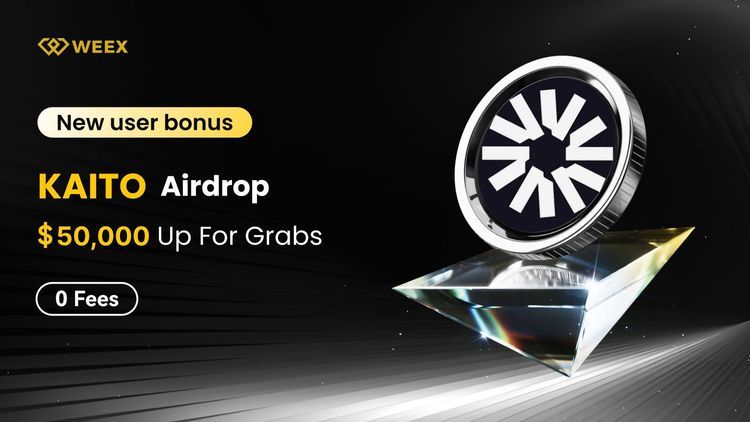
KAIO Airdrop: Share 50,000 USDT on WEEX with 0-Fee Trading
Trade KAIO/USDT with 0 fees on WEEX from May 7–14, 2026. New users can complete deposit and spot trading tasks to share 50,000 USDT in rewards.
What Is SAOS? Strategic American Oil Supply Token Explained
SAOS is a meme token on Solana with a 75,000 USD market cap and 22,000 USD locked liquidity, positioned around oil supply themes but lacking real asset backing
It thrives on pure narrative speculation, with no utility, website, or doxxed team, making it highly volatile and attention-dependent
Traders should distinguish SAOS from legitimate real-world asset projects, as its branding is speculative rather than substantive
Positive aspects include locked liquidity reducing rug pull risks, but low trading activity signals high uncertainty
How to Buy Public Asset Control (PAC) Token in 2026: Latest Solana Buying Guide
How to buy Public Asset Control (PAC) token in 2026, PAC contract address, Solana wallet setup, Jupiter swap guide, latest price, liquidity, and risks.

What Is Public Asset Control (PAC) Token and How Does It Work? Latest Solana PAC Token Guide
Public Asset Control (PAC) token explained. Learn what PAC is, how it works on Solana, current price snapshot, risks, and buying basics.

Can PAC Coin Reach $1 Soon? Analyzing Public Asset Control
PAC is a Solana-based meme token with a government-themed narrative, but it is highly speculative.
At its current price (~$0.0009) and 1B supply, reaching $1 would require a $1B market cap, which is very unlikely.
Short-term moves to $0.001 or $0.01 are more realistic, but the token is highly volatile due to low liquidity and hype-driven trading.
Overall, $1 is not a realistic target, and PAC is better suited for short-term speculation than long-term investment.

United Nations Oil Reserve (UNOS) Crypto: Solana Token, UN Links, and Risks
United Nations Oil Reserve (UNOS) Crypto explained: Solana token basics, UN links, oil-backing claims, market risks, contract checks, and buying cautions.

What Is Public Asset Control (PAC) Coin? Explained for Beginners
Public Asset Control (PAC) is a Solana-based token that uses a “government asset control” narrative involving oil and gold themes, but it has no verified ties to any real institutions or governments. It is mainly an entertainment-focused, speculative meme coin.
The project’s claims about links to entities like BlackRock or Palantir are unverified, and its own disclaimer states it is not a real financial or institutional asset. Like many new Solana tokens, PAC is highly volatile, with low liquidity and limited transparency, including no fully verified audit.
Overall, PAC is a high-risk speculative token driven by hype and storytelling rather than real utility. Beginners are advised to be cautious, verify contract details, and prioritize risk control before considering any trading.
What Is Official Saudi Oil Reserve (OSOR) Coin?
Learn what OSOR coin is, why its Saudi oil narrative matters, how to verify the contract, and what risks to check before trading.

Global Digital Oil Reserve (GDOR): What It Is, Risks, and How to Check It
Global Digital Oil Reserve (GDOR) is an oil-themed Solana token with unclear backing. Learn its risks, market data, and verification checklist.

Is OBC Crypto a Good Investment?
Is OBC crypto a good investment? We analyze the latest market data, holder concentration, liquidity risks, and short-term momentum. Read this before you invest in OBC token.
Can OSOR Reach $1? Full Price Analysis 2026
OSOR crypto price prediction 2026: Can Saudi Oil Reserve token reach 1? Read before buying.

What is International Oil Supply (IOS) Coin?
Wondering what is IOS crypto? Here’s a straight look at International Oil Supply (IOS) coin—the Solana token tied to oil reserve data. Contract address, risks, and what’s still unverified.

What Is the Unified International Token (UNIT)? Is UNIT Crypto Legit or Scam?
what is UNIT crypto? Here’s a breakdown of the Unified International Token ($UNIT), how it ties to BRICS+ data, where to buy it, and why it’s a conceptual project—not an official currency.
What Is Stablecoin Business OS (SBOS) Coin?
What is SBOS crypto? We break down Stablecoin Business OS, its USDC invoicing tools, AI finance assistant, token contract address, and real utility for online businesses.

World Collective Oil Reserve ($WCOR) Price Prediction: May 2026 Rally Analysis and Future Outlook
Is $WCOR a good investment? Read our comprehensive World Collective Oil Reserve price prediction and market analysis for 2026-2030. Learn about the energy narrative on Solana and start your trading journey with WEEX rewards.

How to Buy $WCOR Coin: Should I Invest or Is It Just Hype?
Learn how to buy $WCOR coin on Solana and explore its latest 57% price surge. This expert guide analyzes whether WCOR is a solid investment or speculative hype.
Is OSOR Token Next 10X Like WCOR or Just Market Hype?
Is OSOR the next 10X crypto like WCOR or just market hype? Compare OSOR vs WCOR on-chain data, price discrepancies, and holder risks in this deep dive into Saudi oil-backed tokens.

Is $PAC Token a Good Investment in 2026? Price, Risks, and Market Analysis
A data-driven analysis of Public Asset Control (PAC) token: current price, market cap, liquidity, $1 target feasibility, and risk factors. Is it a legitimate investment or a high-risk meme coin?
KAIO Airdrop: Share 50,000 USDT on WEEX with 0-Fee Trading
Trade KAIO/USDT with 0 fees on WEEX from May 7–14, 2026. New users can complete deposit and spot trading tasks to share 50,000 USDT in rewards.
What Is SAOS? Strategic American Oil Supply Token Explained
SAOS is a meme token on Solana with a 75,000 USD market cap and 22,000 USD locked liquidity, positioned around oil supply themes but lacking real asset backing
It thrives on pure narrative speculation, with no utility, website, or doxxed team, making it highly volatile and attention-dependent
Traders should distinguish SAOS from legitimate real-world asset projects, as its branding is speculative rather than substantive
Positive aspects include locked liquidity reducing rug pull risks, but low trading activity signals high uncertainty
How to Buy Public Asset Control (PAC) Token in 2026: Latest Solana Buying Guide
How to buy Public Asset Control (PAC) token in 2026, PAC contract address, Solana wallet setup, Jupiter swap guide, latest price, liquidity, and risks.
What Is Public Asset Control (PAC) Token and How Does It Work? Latest Solana PAC Token Guide
Public Asset Control (PAC) token explained. Learn what PAC is, how it works on Solana, current price snapshot, risks, and buying basics.
Can PAC Coin Reach $1 Soon? Analyzing Public Asset Control
PAC is a Solana-based meme token with a government-themed narrative, but it is highly speculative.
At its current price (~$0.0009) and 1B supply, reaching $1 would require a $1B market cap, which is very unlikely.
Short-term moves to $0.001 or $0.01 are more realistic, but the token is highly volatile due to low liquidity and hype-driven trading.
Overall, $1 is not a realistic target, and PAC is better suited for short-term speculation than long-term investment.
United Nations Oil Reserve (UNOS) Crypto: Solana Token, UN Links, and Risks
United Nations Oil Reserve (UNOS) Crypto explained: Solana token basics, UN links, oil-backing claims, market risks, contract checks, and buying cautions.


